
Articles
Our team brings fresh perspectives, proprietary data and consumer insights that help brands thrive.
Insight you can act on: Fresh perspectives powered by trusted research.
Changes to BNPL: Good for consumers, bad for business?
Buy Now Pay Later (BNPL) firms have become a staple payment option for cash-strapped Brits looking for ways to help them buy what they need during the ongoing cost-of-living crisis. It's therefore no surprise that 2 in 3 (64%) have used BNPL to make a purchase at some point. Until now, BNPL options have offered consumers a quick and easy way to access credit, helping them spread the cost of larger purchases, manage cashflow and avoid interest payments.
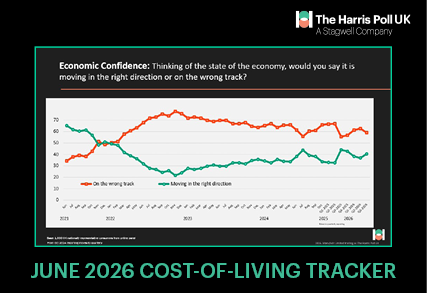
Resilient for Now: The UK withstands early Middle East shocks, but fragility and risks remain
Our latest quarterly update suggests the UK economy has so far absorbed the initial shocks from the Middle East conflict without tipping into outright recession or triggering a fresh, energy-led inflation surge. That resilience is reflected in a small uptick in economic confidence and in consumers’ self-assessed finances in our Q3 Outlook, after three quarters of decline. Yet the improvement is only tentative. As higher fuel and energy prices tied to the conflict feed through the economy during the second half of 2026, we could witness delayed inflationary pressures. Consumer behaviour also shows households are not yet convinced enough to increase spending significantly.

The Last 365 Days: A challenging year, or a year of challenge?
One year ago today, we became The Harris Poll UK.
As a team, we've spent more than 25 years helping clients understand people. Last June marked the start of a new chapter. It brought our experience together with the global heritage of The Harris Poll and gave us an even stronger platform to help clients navigate an increasingly demanding world.
To mark the anniversary, we decided to do what we do best and asked UK consumers to reflect on their last 365 days in a single word. The most common answer was, perhaps unsurprisingly, 'Challenging'.
Trusted, But Traded Down: How Own-Label Became Good Enough to Challenge Brands
The relationship between UK shoppers and brands is not breaking down. In many ways, it remains intact. What is changing is the role brands play in everyday decision-making. The shift is not that brands have got weaker. What has changed is how competitive own-label has become. Consumers still value brands but rely on them less.
Our latest research at The Harris Poll UK, based on a nationally representative sample of 1,000 grocery shoppers, shows that brand perception is still positive. 64% of consumers believe branded products are higher quality, 59% see them as more consistent, and 57% say they taste better. These are not weak numbers. But they are no longer decisive.

From principle to performance: how the public is judging the NHS ahead of the elections
As many of us head to the polls tomorrow for local elections in parts of England, and the elections to the devolved parliaments in Scotland and Wales, it’s likely that the NHS will be in the forefront of many voters’ minds. When asked what areas they are most concerned about right now, the NHS was the third most selected topic by consumers (15% rating it the issue they were most concerned about) coming behind cost-of-living (22%) and immigration / asylum (18%). When looking at the proportion ranking these areas in their top three concerns, the NHS rises to second place (40%) behind only cost-of-living (51%).
But this is not just another election where the NHS features as a key issue. Increasingly, it is something voters are experiencing directly in their day-to-day lives, which is changing how it is judged.
So, what is driving this concern, and what options are consumers most open to in supporting the improvements they clearly feel are needed?
The Cost of Getting There: How rising fuel prices are reshaping everyday spending
The everyday journey is no longer routine
Have you noticed fewer cars on the roads lately? It’s not your imagination. For many of us, it’s now something we think twice about. Rising fuel costs are reshaping how, when and why people travel.
Our latest research shows that 59% of UK drivers have used their vehicle less in the past three months. This is not just about driving less. Even routine journeys are now being questioned.
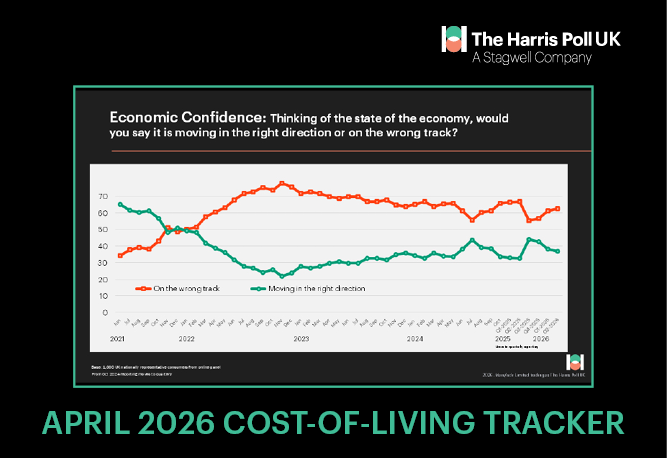
From Domestic Pressure to Global Shock: How the cost-of-living crisis is evolving
Since 2020, we have tracked UK consumer sentiment and behaviour as the cost-of-living crisis has unfolded through multiple phases.
Our latest Q2 2026 data points to a clear shift: underlying pressures have not disappeared, but the drivers are changing. External factors are reasserting themselves, adding a new layer of volatility just as households were beginning to adjust.

Looking Beyond The Purchase Price: What car buyers want in 2026
In our recent article, Spending with care: the current reality of big-ticket purchases in the UK, we explored how consumers are continuing to engage with major purchases, but with a more considered mindset. Spending has not stopped, but expectations around what feels manageable and worthwhile have shifted.
Automotive brings that mindset into sharper focus. It is a category where the financial commitment is high, the decision is rarely impulsive, and the consequences of getting it wrong feel more significant. As a result, it shows more clearly what consumers need to move from consideration to action.
Our data demonstrates what car finance providers need to be thinking about when shaping their propositions and customer conversations in 2026 and beyond.

The Exit Experience: A new battleground for edge in the subscription economy
Subscriptions are built on the promise of convenience. Increasingly, however, that promise is being tested not at the point of sign-up, but at the point of exit. From streaming and gaming to fitness and food delivery, they have reshaped how people access products and services, offering flexibility and ongoing access that has quickly become part of everyday life. As subscriptions evolve, that promise is increasingly judged by how straightforward it is to leave.

The Forecast Effect: How weather apps are reshaping visitor behaviour
Whether it’s a family day out, a visit to a heritage site, or a spontaneous trip to a theme park, the British public increasingly turns to weather apps as their decision-making compass. For operators of outdoor attractions, these forecasts have become a critical, and sometimes frustrating, part of the visitor economy. Some attraction owners report that a single rain symbol can cost them up to £137,000 in a day, and our research supports the impact of rain in the forecast, with an increase from 20% to 40% for the chance of rain driving an incremental third of consumers to change their plans.
Based on a nationally representative survey of 1,000 UK adults, our latest research highlights a clear behavioural shift: weather apps are not just influencing decisions, they are actively reshaping them.
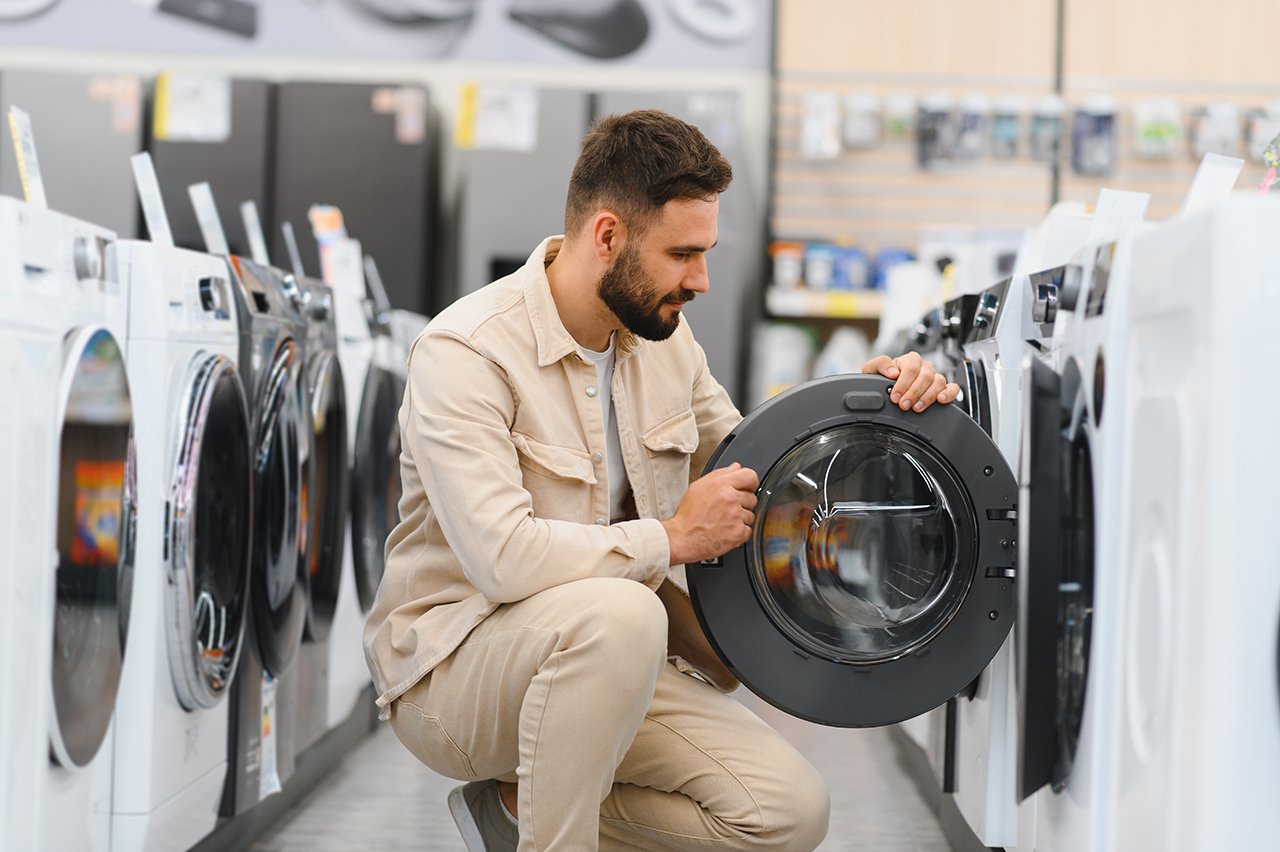
Spending with Care: The current reality of big ticket purchases in the UK
Financial confidence in the UK remains fragile. Our latest Cost-of-Living data for Q1 2026 shows sentiment has deteriorated for three consecutive waves, with 62% now believing the economy is heading in the wrong direction.
Household finances are under pressure too. 56% say their financial position is unchanged versus last year and 25% say it has worsened, leaving just 19% feeling better off. Energy bills have risen again, food and drink prices are up 4.5%, and headline inflation reached 3.4% in December.
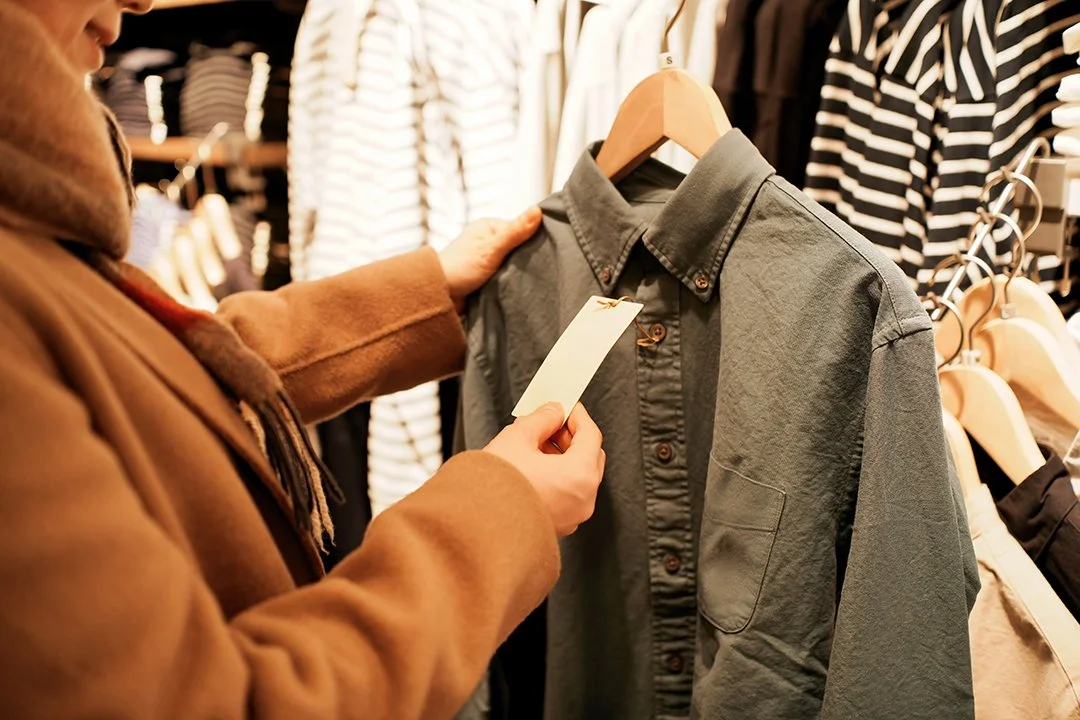
Free Returns Aren’t So “Free” Anymore: Why that’s good for customers
For decades, “free returns” has been treated like a hygiene factor in online retail: a frictionless promise that keeps conversion rates healthy. But that model is now under increasing pressure from rising operational costs and could even become an historical anomaly.
Retailers are paying closer attention to returns behaviour, and customers who consistently push the system too far are beginning to feel the consequences. ASOS, H&M and Pretty Little Thing have all reviewed their returns policies or have actively closed accounts of serial returners.

Optimistic at Home, Uneasy About the World: What our latest data reveals
This past Monday was “Blue Monday”. Aside from sounding like a New Order song, it is often cited as the most depressing day of the year. The good news is that we made it through unscathed. The less good news is that the weather does not appear to have improved much since.
With Blue Monday falling this week, it feels like a timely moment to check in on our Optimism tracking and look at how positive UK consumers were feeling as we closed out December.

Are UK Consumers Ready to Roll the Dice on Investing?
In her Autumn Budget, the Chancellor made her intentions clear. She wants UK consumers to invest more. From April 2027, future cash ISA limits will be reduced to £12,000, while financial services providers are being encouraged to proactively reach out to customers with investment options and products.
The logic is straightforward. Shifting consumers from saving to investing should help unlock capital, fuelling growth and giving businesses the funding they need to expand and innovate.
The challenge is that the UK currently has the lowest investment rate of all G7 countries. So why are UK consumers so reluctant to move beyond savings accounts and into investments? And what is really holding them back from swapping safe piggy banks for higher risk but potentially higher return options?
Our latest data helps explain why this shift may be harder than policymakers hope.

2025: The Year UK Consumers Took Control
UK consumers are rebalancing priorities, reassessing value, and seeking control - not just over their wallets, but over how they live, spend and connect. As we close the books on 2025, here’s our wrap-up of the four dominant themes we’ve seen in our ongoing research with UK consumers across sectors and social contexts this year.

The Heat (Anxiety) Is Rising: What consumers need as winter costs climb
As the cost-of-living crisis continues to shape daily life in the UK, heating has become a growing source of worry for many households. With the Government’s new budget landing today and prices still rising, people are heading into winter with a sense of uncertainty about how they will manage the months ahead. Staying warm is no longer a background consideration; it’s something people are planning around more carefully than ever.
Our latest research shows how this is affecting behaviour, budgets and wellbeing for households across the country.

Safety vs Savings: What brands must know as consumers reassess risk
As the cost-of-living crisis deepens, new data reveals a troubling shift: almost seven in ten Britons would consider choosing a less rigorously tested medication if the price was right. Despite valuing safety and quality above all else, rising costs are pushing many to make trade-offs they never expected to face. With trust wavering and concerns about authenticity growing, the pressure is mounting on brands—and the system—to help consumers feel protected.

Climate-Smart Holidays: How UK consumers are rewriting the rules of travel
The holiday booking window used to be predictable: January for the early birds chasing deals, March for the procrastinators, and a steady stream of last-minute bookings throughout spring. Our latest research reveals that something fundamental has shifted in how UK consumers approach their annual escape. Climate change has quietly moved from the "should consider" category straight into core decision-making criteria—and it's reshaping the entire travel landscape.

Booking Deposits and Brand Trust: How Upfront Charges Can Impact CX
In a world where no-shows cost time and money, many service-based businesses are turning to upfront deposits as a safeguard. Whether it’s £10 for a haircut or 50% down on a tattoo, booking fees have become a growing feature of the UK service economy. Instead of raising prices across the board, deposits offer a way to manage demand, reduce wasted time and maintain affordability for those who commit.
But more importantly, when used thoughtfully, booking deposits can protect the customer experience and reward loyalty.
So how do businesses use deposits not just to protect revenue—but to build trust, increase convenience, and keep loyal customers coming back?
We Shop When We’re Smiling: Why brands should feel ‘chipper’ about the UK’s rising optimism
After months of economic anxiety and cost-of-living pressures, UK consumers are finally feeling a little lighter – and the numbers back it up. Our latest results of our ongoing tracking shows optimism rising sharply in June, with 2 in 5 people (42%) scoring their outlook between 8–10 out of 10. Even more telling, the number of consumers giving a ‘perfect 10’ has doubled from May to June (from 8% to 15%).
And why does that matter? Because how we feel changes what we do. In particular – how, when and where we spend.