
Articles
Our team brings fresh perspectives, proprietary data and consumer insights that help brands thrive.
Insight you can act on: Fresh perspectives powered by trusted research.

The Forecast Effect: How weather apps are reshaping visitor behaviour
Whether it’s a family day out, a visit to a heritage site, or a spontaneous trip to a theme park, the British public increasingly turns to weather apps as their decision-making compass. For operators of outdoor attractions, these forecasts have become a critical, and sometimes frustrating, part of the visitor economy. Some attraction owners report that a single rain symbol can cost them up to £137,000 in a day, and our research supports the impact of rain in the forecast, with an increase from 20% to 40% for the chance of rain driving an incremental third of consumers to change their plans.
Based on a nationally representative survey of 1,000 UK adults, our latest research highlights a clear behavioural shift: weather apps are not just influencing decisions, they are actively reshaping them.

Ethics Over Algorithms: The future of leadership in an age of easy answers
Our latest research at The Harris Poll UK highlights a growing expectation that future leadership will be shaped not only by knowledge and experience, but by human understanding, ethical judgment and the confidence to navigate uncertainty.
It reflects something I’ve increasingly recognised in my own work. In the insights industry, we are often asked to provide certainty. Clients want clarity, leaders want confidence, and organisations want to know what happens next.
The longer I spend in research, leading teams and partnering with organisations through rapid change, the more I have come to value something I once tried hard to avoid: ‘not knowing’.
GLP-1 and The New Era of Food Choice: A behavioural shift brands can no longer ignore
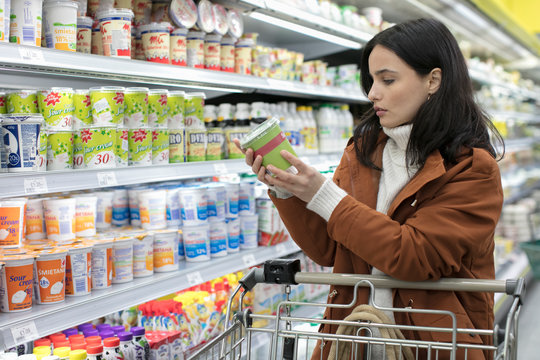
With an estimated 1.6 million people already using GLP-1 drugs in the UK, and our research indicating that one in four adults would consider trying them in the future, we may be approaching an important societal inflection point in how people think about food. This raises the question of whether a broader wave of dietary behaviour change could reshape eating habits now, and in the years ahead. ….
In this article, we explore current food trends and the ways GLP-1 weight loss drugs may already be influencing behaviour, helping brands anticipate what could be coming next.

We’ll Try Driverless Taxis Before We Trust Them: The Autonomous Acceptance Gap explains why
A few weeks ago, I found myself sitting in the back of a fully driverless Waymo in Los Angeles. A friendly welcome from a calm, automated voice, a smooth pull-away from the curb, and the slightly surreal moment when your brain catches up with what your eyes are seeing… the steering wheel is moving, but no one is driving.
I won’t pretend it felt normal straight away. I trusted the technology intellectually; emotionally, that took longer. And with the announcement last week that driverless taxis will roll out in London later this year, it’s that exact tension that our latest research here in the UK brings into sharp focus.
Free Returns Aren’t So “Free” Anymore: Why that’s good for customers
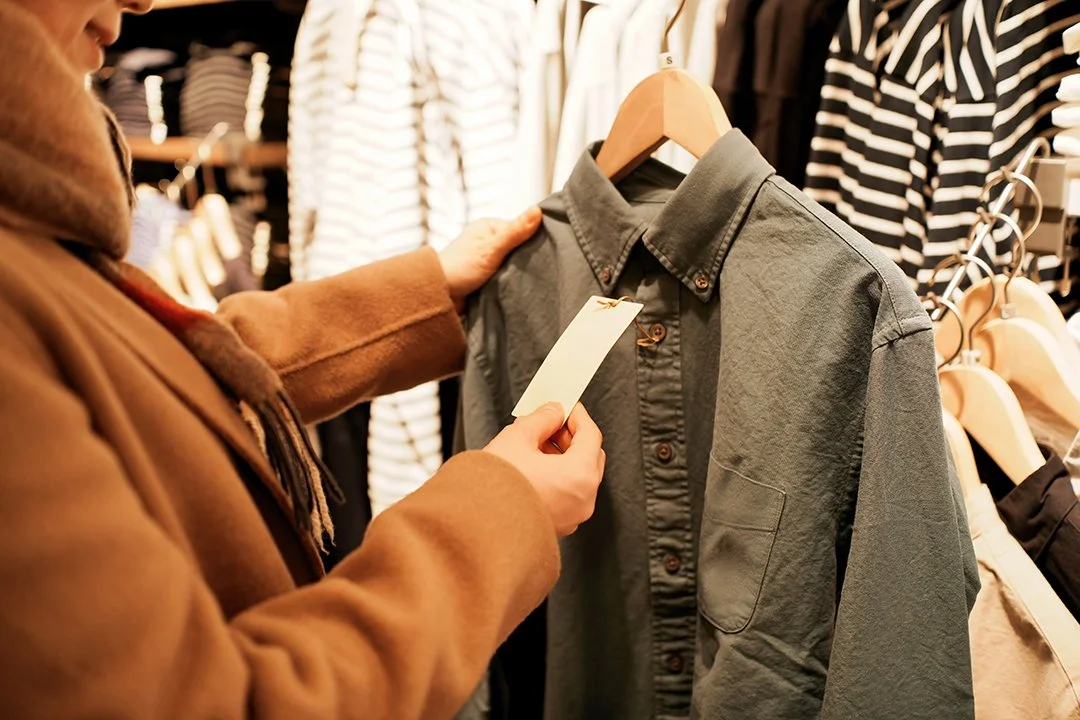
For decades, “free returns” has been treated like a hygiene factor in online retail: a frictionless promise that keeps conversion rates healthy. But that model is now under increasing pressure from rising operational costs and could even become an historical anomaly.
Retailers are paying closer attention to returns behaviour, and customers who consistently push the system too far are beginning to feel the consequences. ASOS, H&M and Pretty Little Thing have all reviewed their returns policies or have actively closed accounts of serial returners.

Are UK Consumers Ready to Roll the Dice on Investing?
In her Autumn Budget, the Chancellor made her intentions clear. She wants UK consumers to invest more. From April 2027, future cash ISA limits will be reduced to £12,000, while financial services providers are being encouraged to proactively reach out to customers with investment options and products.
The logic is straightforward. Shifting consumers from saving to investing should help unlock capital, fuelling growth and giving businesses the funding they need to expand and innovate.
The challenge is that the UK currently has the lowest investment rate of all G7 countries. So why are UK consumers so reluctant to move beyond savings accounts and into investments? And what is really holding them back from swapping safe piggy banks for higher risk but potentially higher return options?
Our latest data helps explain why this shift may be harder than policymakers hope.

A Nation of Nearly-There Achievers: How the UK really did with its 2025 goals
At this point in the year, goal-setting narratives typically split into two camps: success stories or silent guilt. But the reality for most UK consumers in 2025 sits somewhere a bit more measured and far more human. The Harris Poll UK has been tracking consumer mindset and goal achievement throughout 2025, and our latest data shows a nation that is ambitious, imperfect and still moving forward.

Is the Dining Table an endangered item in the UK: Or is it just evolving?
A couple of months ago, a BBC headline caught our attention: “Homes without lounges now a reality for renters.”
The article spoke to a very real shift in how UK homes are being rented and lived in. Communal areas are getting smaller, with individual rentable spaces increasingly prioritised for cost and flexibility rather than tradition.
It got us thinking.
If the lounge is under threat, what about the dining room?
Long held up as a key part of the home and the place where families gather, meals are shared and conversations unfold, is it quietly being side-lined too? Or is something subtler happening: not the disappearance of the table itself, but a transformation in how (and why) we sit around it?

2025: The Year UK Consumers Took Control
UK consumers are rebalancing priorities, reassessing value, and seeking control - not just over their wallets, but over how they live, spend and connect. As we close the books on 2025, here’s our wrap-up of the four dominant themes we’ve seen in our ongoing research with UK consumers across sectors and social contexts this year.
Finding the Emotional Sweet Spot: Which 2025 Christmas Ads Capture the Magic?
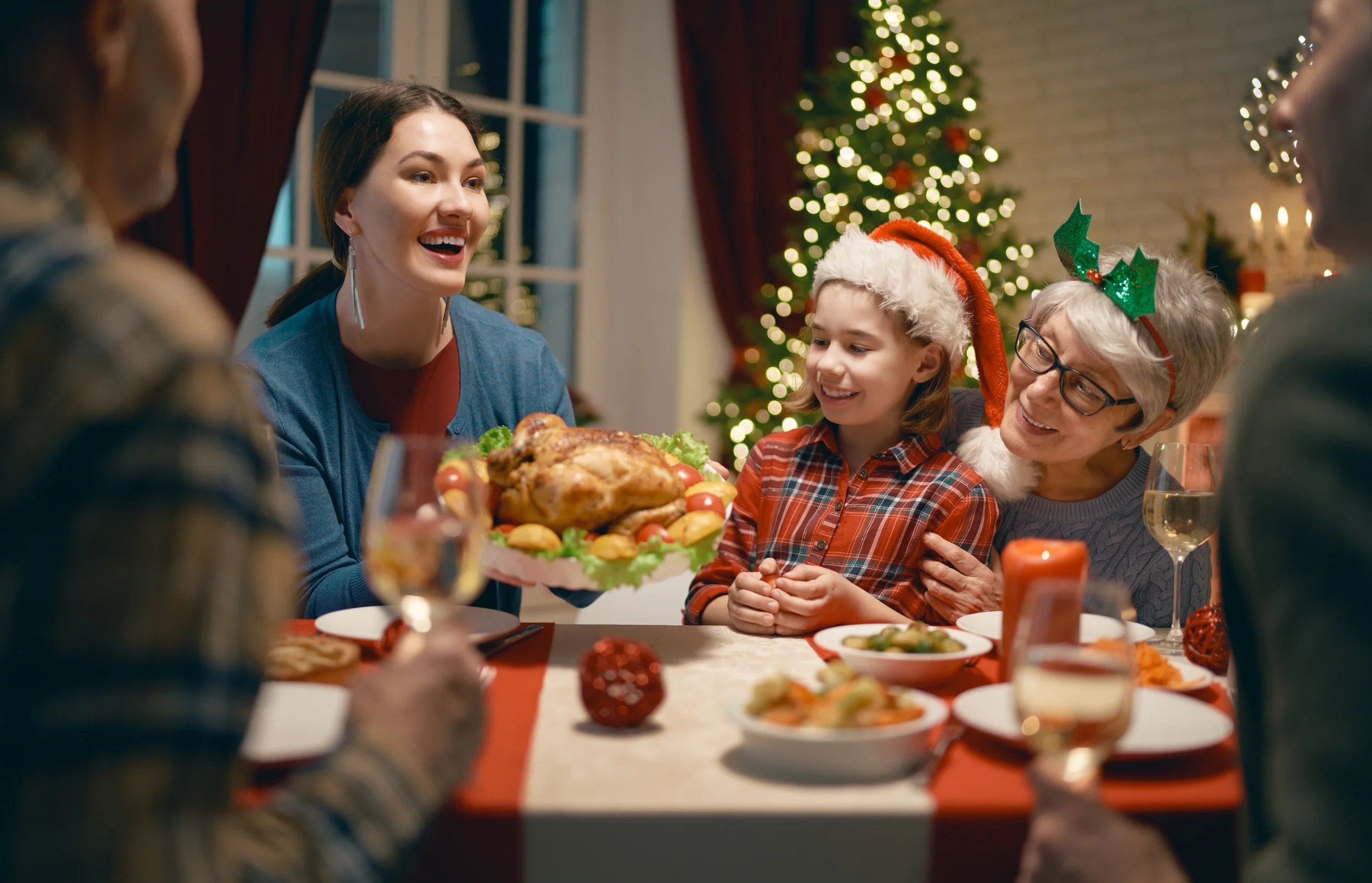
With Christmas fast approaching, let’s look at this year’s festive ads from some of the UK’s major retailers. Some heart-warming, some playful, some product-led and all hoping to capture the emotions of the season. But do they reflect how people actually want to feel this Christmas?
We set out to understand the emotional blueprint consumers are carrying with them into the festive period, using our Emotional Signature tool — a method that reveals instinctive, fast-thinking responses rather than surface-level opinions. Because emotional reactions, not rational ones, drive most festive decision-making.

Delivering Chaos: Christmas shoppers won’t wait for late parcels if strike threats become reality
For shoppers racing to get gifts under the tree, one thing matters above all else: confidence their parcels will arrive on time. And with Unite members at UPS balloting for strike action, our latest research shows something retailers can't ignore— shoppers are poised to change their festive buying habits the moment delivery reliability starts to wobble.
And the headline is clear: two in three shoppers would switch retailers if delivery strikes threaten Christmas orders.

Safety vs Savings: What brands must know as consumers reassess risk
As the cost-of-living crisis deepens, new data reveals a troubling shift: almost seven in ten Britons would consider choosing a less rigorously tested medication if the price was right. Despite valuing safety and quality above all else, rising costs are pushing many to make trade-offs they never expected to face. With trust wavering and concerns about authenticity growing, the pressure is mounting on brands—and the system—to help consumers feel protected.

Christmas 2025: Experience-Led, emotion-driven and redefining value
At The Harris Poll UK, we spend a lot of time listening—to what consumers are feeling, what they’re prioritising and how those choices are shaping brand relationships. And as we head into the 2025 festive season, the mood of the nation feels quietly optimistic.
Economic pressures may still be part of daily life, but people are finding new ways to create joy and connection. Even in tighter times, UK consumers are seeking moments that feel meaningful — swapping excess for experiences, nostalgia, and small everyday luxuries.